
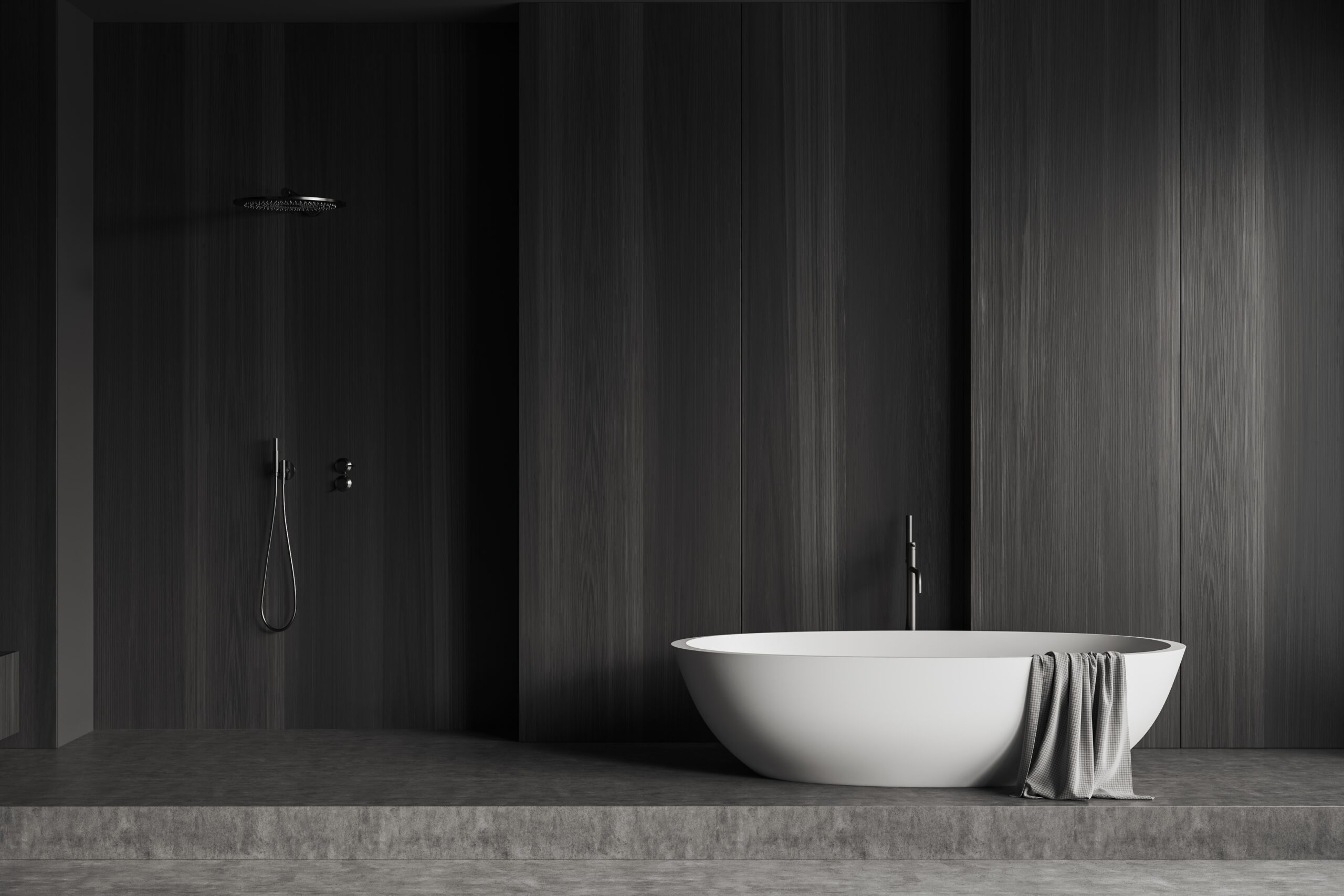
Wood veneer panels are created by joining multiple veneer leaves together to form a larger surface. The way these veneer leaves are arranged, or “matched,” has a major impact on the final appearance of the panel. Some matching techniques create dramatic and decorative patterns, while others emphasize the natural movement and continuity of the wood grain.
Understanding the different veneer matching methods can help designers, architects, woodworkers, and homeowners select the ideal look for their project.
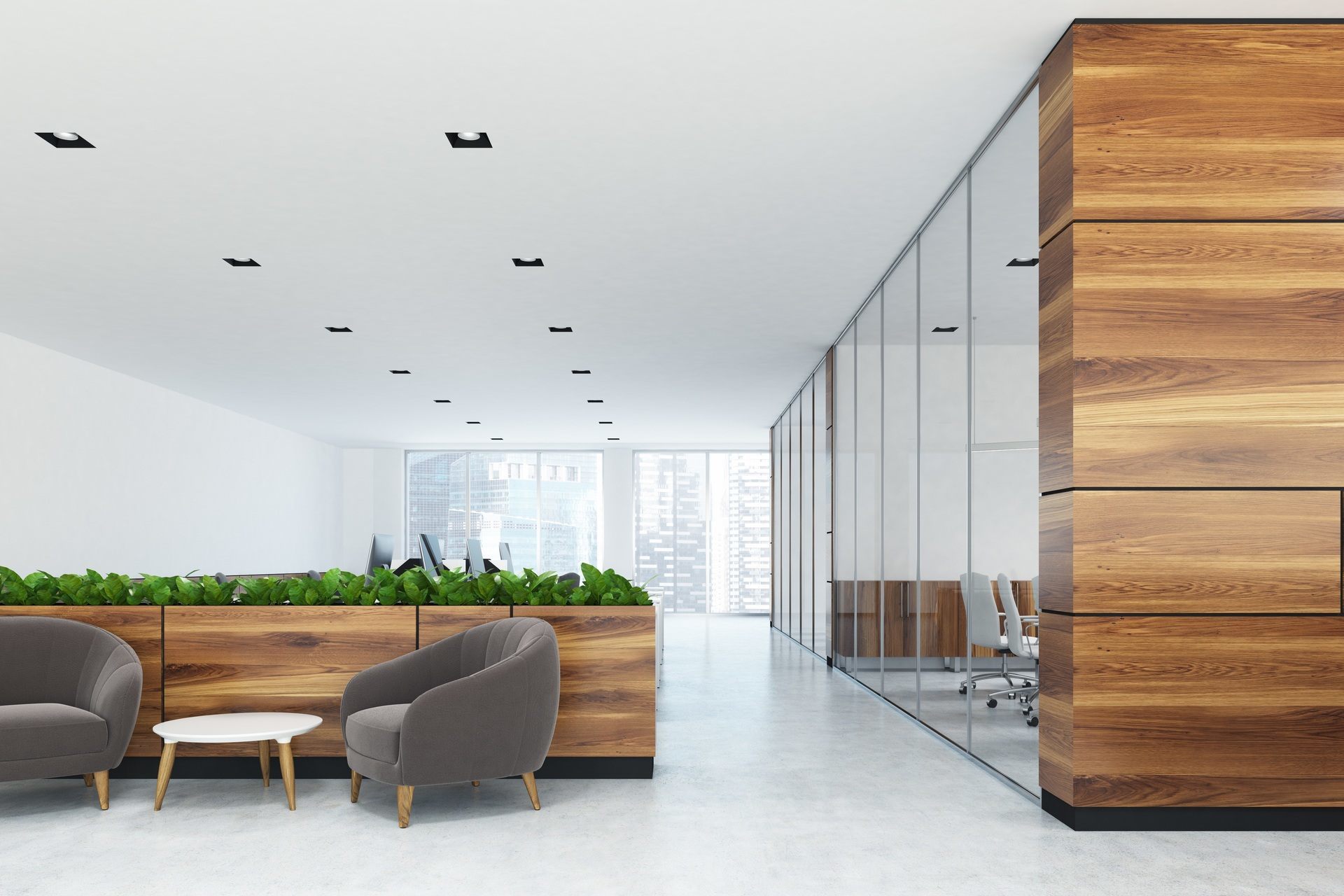
Book Match
Book Matching is one of the most common veneer matching techniques. In this method, every other veneer leaf is flipped over, creating mirrored pairs similar to the pages of an open book.
This technique produces excellent grain continuity and creates a balanced, symmetrical appearance across the panel. Book Match is especially popular in architectural millwork, cabinetry, wall panels, and luxury interiors where a clean and elegant wood appearance is desired.
Slip Match
Slip Matching is similar to Book Matching, but the veneer leaves are not flipped. Instead, each leaf is placed side-by-side in the same orientation.
The result is a more consistent and uniform grain appearance with a straight repetition of the pattern. Slip Match is often preferred for contemporary and modern designs where a cleaner and more linear look is desired.
Random Match
Random Match creates a more natural and rustic appearance by arranging veneer leaves without a specific sequence or symmetry. Veneer widths, grain direction, and figure can vary throughout the panel.
Because there is no strict grain continuity, Random Match provides a casual and organic aesthetic that works well in rustic, industrial, and natural-inspired interior designs.
Sketch Face Match
Sketch Face is a highly decorative veneer matching technique that combines multiple veneer leaves, cuts, grain directions, and geometric compositions to create custom artistic patterns across the panel surface. Unlike traditional veneer matching methods that focus mainly on grain continuity, Sketch Face designs are intentionally crafted to create bold visual movement and architectural impact.
This technique can incorporate elements inspired by Diamond Match, Sunburst Match, chevron patterns, linear compositions, and other geometric layouts, all blended together into a fully custom veneer design. Veneer leaves may be cut and arranged in various angles, shapes, and directions to create unique compositions that resemble artwork.
Sketch Face panels are commonly used in luxury interiors, feature walls, custom cabinetry, hospitality projects, yachts, private aircraft, and high-end furniture applications where designers want to create a one-of-a-kind statement piece.
Because every Sketch Face layout can be customized, the possibilities are nearly endless. Different wood species, grain figures, stains, and matching patterns can all be combined to achieve modern, contemporary, classic, or highly artistic looks.
Choosing the Right Veneer Match
Each veneer matching technique creates a completely different visual effect, from clean and symmetrical to bold and artistic. The right choice depends on the style of the project, the wood species selected, and the overall design vision.
Whether you prefer the elegance of Book Match, the clean appearance of Slip Match, the rustic feel of Random Match, or the artistic impact of a custom Sketch Face design, veneer matching plays a major role in defining the final appearance of a panel.
At Plywood Express, our advanced equipment allows us to cut veneer leaves up to 12 feet long, providing greater flexibility and customization for architectural panels, cabinetry, furniture, yachts, aircraft, and luxury interior applications. Contact us today to learn more about our custom veneer solutions.